
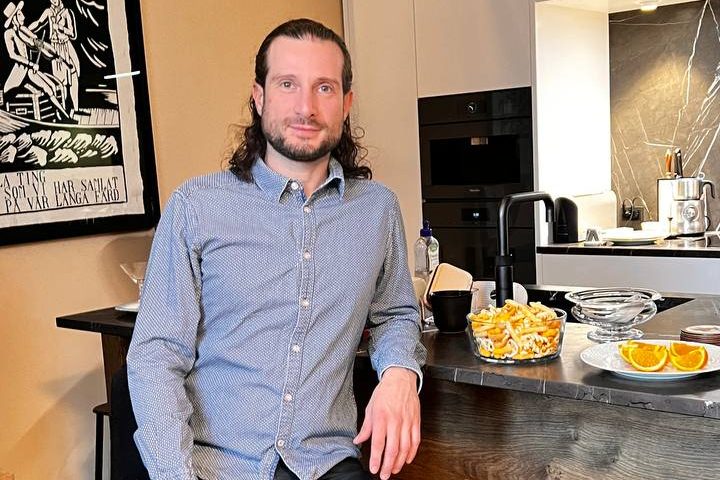
For a long time, I traveled in the usual way: I looked for hotels, apartments, and places that were practical enough for a few nights. But over time, I started wanting something different.
I did not just want to visit a city. I wanted to understand what it feels like to live there—to buy bread at the local bakery, cycle through ordinary streets, find a café I would return to, cook at home, and wake up in a neighbourhood rather than in a tourist area.
That is how I discovered HomeExchange.
HomeExchange is a community where people open their homes to one another. Sometimes it is a direct swap: you stay in their home while they stay in yours. Other times, one person hosts and receives GuestPoints, which they can later use for another trip. It makes travel less focused on transactions and more focused on trust, generosity, and everyday life.
During an exchange in Copenhagen, I loved being able to cycle out in the morning without a fixed plan, stop for a stroll in a neighbourhood that I like the most, and come back to a real home rather than a hotel room. It changed the pace of the whole trip: I felt less like I was consuming a destination and more like I was briefly part of it.
My first exchanges
My first thought was probably the same as many people’s: Can I really stay in a stranger’s home, and let someone stay in mine?
The answer, for me, became yes, but only because HomeExchange is not about treating someone’s home as a free hotel. It is about respect.
Before every exchange, I read the profile carefully, communicate clearly, ask questions, and agree on the practical details. I want hosts to feel comfortable with me in their home, just as I want to feel comfortable welcoming someone into mine.
I travel quietly and respectfully. I treat each place as if it belonged to a friend. I am also happy to do the cleaning myself when I arrive and again before I leave, because that makes the experience smoother and more comfortable for everyone.
My exchanges have given me something that ordinary accommodation rarely does: a sense of belonging, even if only for a few days or weeks.
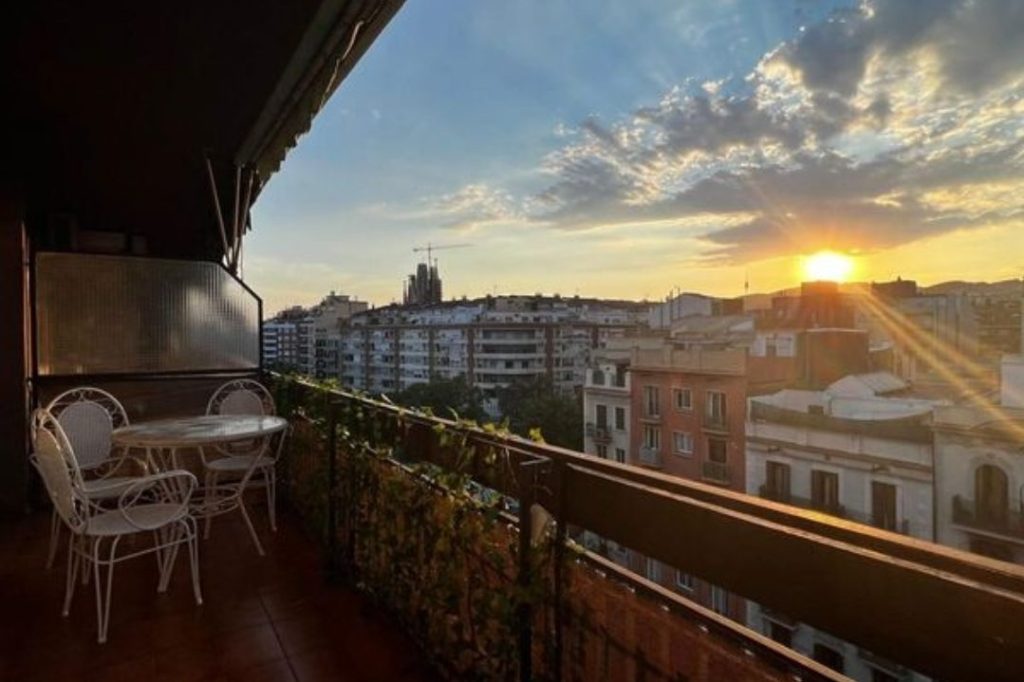
In Barcelona, for example, I stayed in a magnificent apartment with a double rooftop terrace near Plaza Catalunya.
That is the part I remember most.
It changes the rhythm of travel
HomeExchange has made it easier for me to travel more slowly.
Rather than feeling that I need to fill every day with activities because I have paid for a hotel, I can settle in. I can cook, work remotely if I need to, walk or cycle around, and enjoy a destination at a more human pace.
This matters especially to me because I love discovering places by bike and on foot. I prefer seeing how people actually live: residential streets, local markets, neighbourhood restaurants, parks, and the small routines that make a city feel real.
Home exchange makes that possible.
It can also make longer stays more realistic. When accommodation is not the biggest daily cost, a one- or two-month stay can feel possible instead of extravagant. That opens the door to a very different kind of travel: less hurried, more flexible, and more connected to local life.
It is not “free travel”
One thing I want to say honestly: HomeExchange is not about getting something for nothing.
You still need to be a thoughtful guest and a responsible host. You need a complete profile, clear communication, flexibility, patience, and respect for house rules. You may need to clean, coordinate keys, explain your home, and accept that not every request will become an exchange.
But in return, you can have experiences that feel much more personal than booking accommodation online.
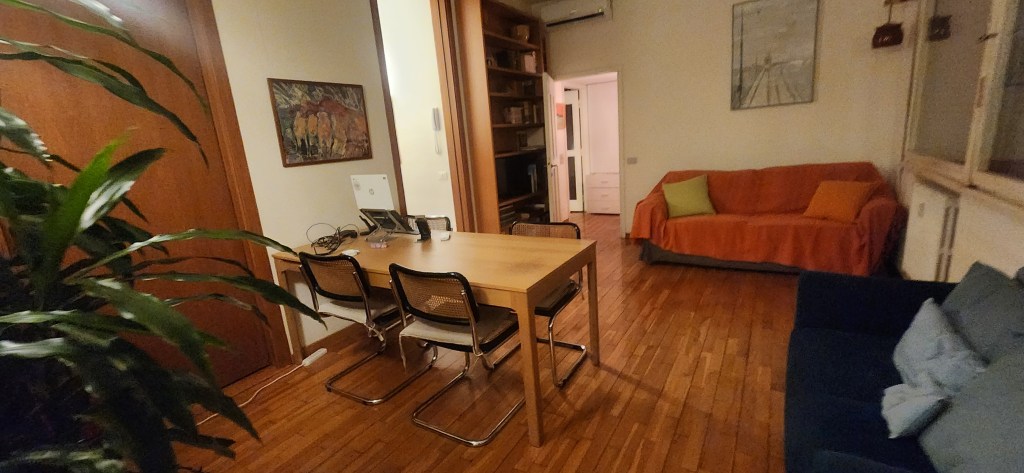
You may stay in a home full of books, family photos, plants, and local recommendations. You may receive a message from a host telling you where to buy the best bread or which beach is quiet in the morning. You may help someone else discover your own city or region in the same way.
For me, that exchange of trust is the real value.
Why I keep using it
I use HomeExchange because it supports the kind of travel I want:
- More local and less touristy
- GuestPoints never expire and can only be used for exchanges
- Ecological: you don’t have empty apartments that just sit there unused
- Social: you can negotiate and discuss directly with a potential host.
- More affordable for longer stays
- More personal than a hotel
- Better suited to slow travel and remote work
- Built around mutual respect rather than constant consumption
- A way to meet people and discover places through their everyday lives
And yes, it has helped me travel more. But more importantly, it has helped me travel differently.
I have learned that a home can be much more than a place to sleep. It can be an introduction to a neighbourhood, a city, and a way of life.
Would you try it?
If you have ever dreamed of spending time in another city without feeling like a tourist, HomeExchange may be worth exploring.
Start slowly. Create an honest profile, add photos of your home, describe your area, and read other members’ profiles carefully. You do not have to be perfect, and you do not need a luxury home. What matters is being clear, respectful, and open to the experience.
If you would like to join, you can use my referral link here:
Using my link gives you extra GuestPoints when you complete your listing and activate your membership, and I receive referral GuestPoints too. I want to be transparent: this is a genuine recommendation because I use and enjoy HomeExchange myself, and I also benefit if you join through my link.
I hope it gives you the same feeling it has given me: that the world can become more open, more local, and a little more connected, one home at a time.
Curious about HomeExchange?
If you want to travel more slowly, stay in real neighbourhoods, and experience places like a local, you can create your profile through my referral link: FREE POINTS TO YOU!